If you have ongoing pain, muscle tension, or a slow recovery, you may have heard about electro-acupuncture treatment. This treatment combines acupuncture needles with a mild electrical current. It is used to add steady stimulation to selected points. But how does it work, and is it right for you? This guide explains the basics in plain language. You will learn what happens during a session, why people use it, possible benefits, safety points, and what you can expect at a clinic in Pointe-Claire. You will also find simple answers to common questions, so you can make an informed choice about care.
What Is Electro-Acupuncture Treatment?
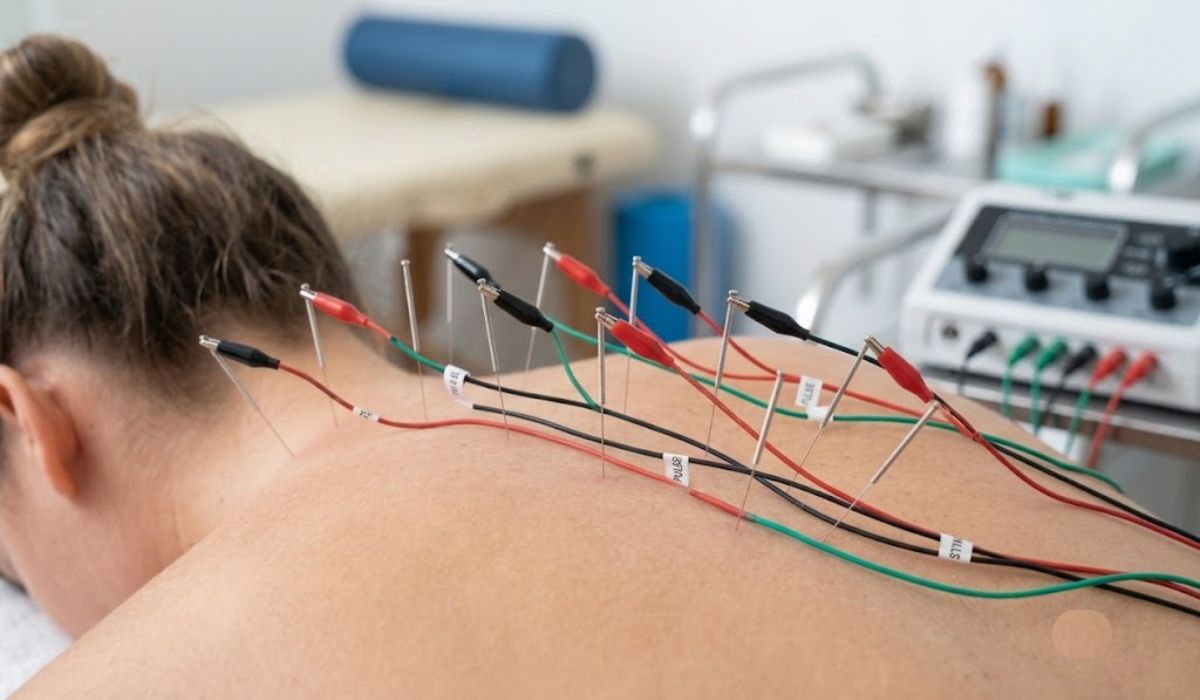
Electro-acupuncture uses fine acupuncture needles with a small electrical current. The current passes between selected needles.
The feeling is often a light pulsing, tapping, or tingling. It should not feel like a strong shock. Your practitioner can change the level if it feels too strong.
Research suggests acupuncture may affect the nervous system and tissues near the needle sites. The full way it works is still not known.
How Does Electro Acupuncture Work?
Electro stimulation sends a repeated signal through connected needles. The aim is to provide steady stimulation to selected acupuncture points.
One proposed effect is on the nervous system and the production and release of neurotransmitters. Neurotransmitters are chemical messengers that help control how the brain and body communicate. By influencing these signals, electro-acupuncture may affect how the body processes pain, responds to stress, and regulates other body functions.
Some people search online for electro acupuncture when they want to learn about this treatment. The current is controlled during a first visit.
This is not the same as using a home electrical device. A trained practitioner chooses the points, places the needles, sets the current, and watches your response.
What Are the Potential Benefits?
People often seek this treatment for pain and muscle problems. Research on acupuncture supports its use for some pain conditions, including back, neck, and knee pain. Evidence for the added value of electrical stimulation varies by condition, so it should not be viewed as a cure.
Potential reasons a practitioner may suggest it include:
- Support for pain management
- Relief from muscle tightness
- Support during recovery from some injuries
- Local stimulation of muscles and soft tissue
- Steady stimulation during treatment
A good plan should start with an assessment.
What Conditions May Be Treated?
The treatment is often considered for pain and movement problems. It may also be discussed as part of a broader care plan for some mental health and substance-use concerns. A practitioner may discuss it when you have:
- Back or neck pain
- Muscle tension
- Some joint pain
- Sports-related injuries
- Certain nerve-related pain problems
- Chronic pain
- Addiction or substance-use concerns
- Depression
- Anxiety
Research and individual responses vary by condition. Electro-acupuncture should not be viewed as a replacement for medical or mental health care. If you are dealing with depression, anxiety, addiction, or another serious condition, discuss your treatment options with an appropriate healthcare professional.
What Happens During a Session?
Your first visit should begin with a health history and a discussion of your main concern. Your practitioner may ask about pain, movement, past injuries, medicines, and other health factors.
If treatment is suitable, fine sterile needles are placed at selected points. Small leads connect some needles to a device. The practitioner then starts the current at a low level and adjusts it as needed.
You may feel a mild pulse or small muscle twitch. Tell the practitioner if you feel sharp pain, burning, dizziness, or anything that does not feel right.
After the session, some people feel relaxed. Mild soreness or a small bruise can occur after acupuncture.
Is It Safe?
For many healthy adults, acupuncture is considered safe when done correctly by a trained practitioner using sterile, single-use needles. Still, no treatment is risk-free. Poor technique or poor hygiene can cause serious harm.
Electrical stimulation also means some people need extra care. Tell your practitioner about your health history before treatment.
You should discuss treatment with a health professional first if you have:
- A pacemaker or other implanted electrical device
- A serious heart rhythm problem
- A condition that affects bleeding or healing
- An infection near the treatment area
- Pregnancy or another condition that may change your care
Do not hide medicines or medical devices from your practitioner. Good communication helps make treatment safer.
Is It Better Than Regular Acupuncture?
Not always. Both approaches use acupuncture needles. The main difference is that this method adds a controlled electrical current.
Some people may prefer manual treatment. Others may benefit from steady stimulation. The best choice depends on your symptoms, health history, treatment goals, and practitioner assessment.
Research results also vary across conditions. Some reviews report possible benefits, while others note limits in study quality. This is why treatment should be presented as one option, not a guaranteed fix.
What Should You Expect From Your First Visit?
A good first visit should feel clear and personal. You should understand why the treatment is being considered and what will happen.
At Harmony Acupuncture Clinic in Pointe-Claire, your visit can begin with a discussion of your symptoms and goals. The practitioner can then decide whether this approach fits your needs and explain the next steps.
Ask what the treatment aims to do, how progress will be checked, and when you should seek other care.
Your Wellness Journey
Choosing a treatment should start with good information. Electro-Acupuncture may be an option for people seeking support for pain, muscle tension, or recovery, but results can vary. A proper assessment helps match care to your needs and health history. At Harmony Acupuncture Clinic in Pointe-Claire, you can discuss your concerns, ask questions, and learn whether this approach fits your goals. If you are considering treatment, book a consultation and speak with the practitioner about your symptoms, current care, and expectations. A clear plan can help you feel more confident about your next step and your care journey and personal goals.
Frequently Asked Questions
Most people feel little pain. The current may feel like a mild pulse or tingling. Tell your practitioner if you feel sharp or burning pain.
Your practitioner can explain the expected length before treatment.
Many people return to normal activities. If you feel tired or light-headed, rest and follow your practitioner’s advice.
There is no single number for everyone. The plan depends on your symptoms, response, and goals.
No. It should not replace urgent or necessary medical care. It may be part of a broader care plan.
Tell your practitioner about medicines, implanted devices, pregnancy, bleeding concerns, heart problems, recent surgery, and other major health issues. This helps them assess safety.